Last week, David Jordan—the LDS Church’s lead attorney in the Mormon Stories case—sat down with the Keystone podcast and gave a lengthy explanation of the Church’s position: why the Church filed the lawsuit, what it says the case is and isn’t about, what happened during mediation, why it believes Mormon Stories created consumer confusion, and what the Church says it ultimately wants.
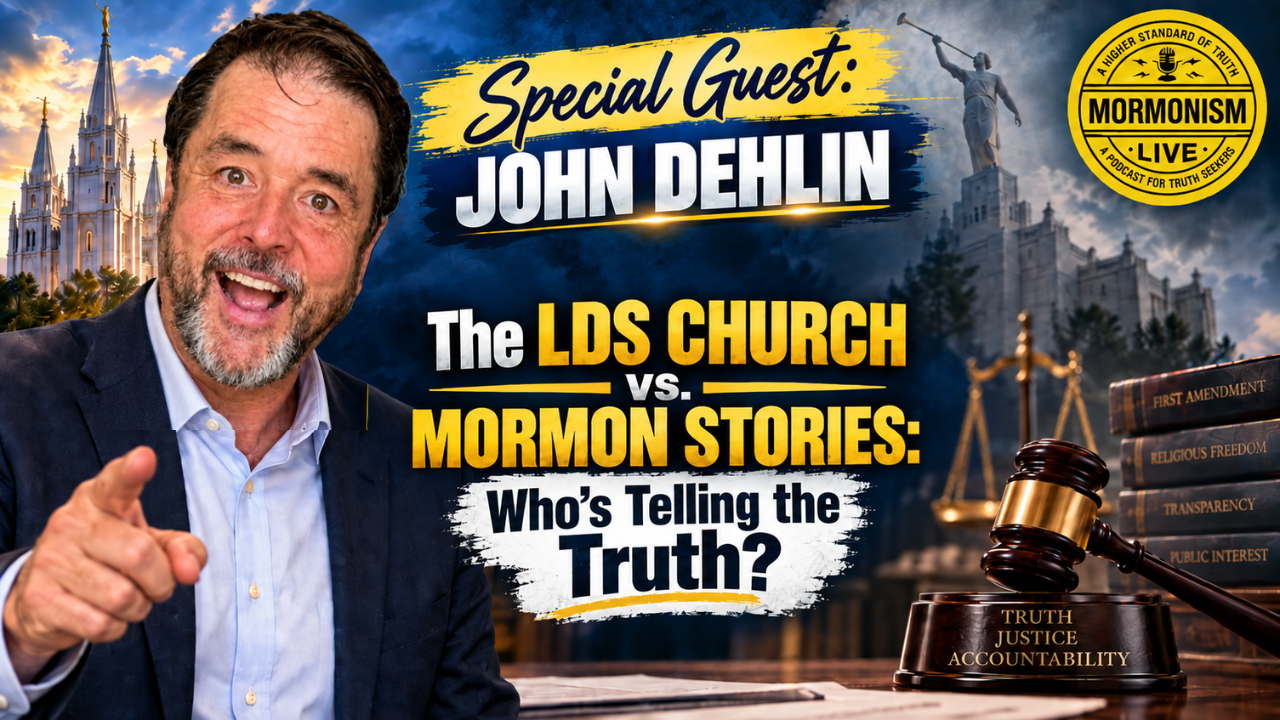
Tonight 6pm Mountain Time, John Dehlin joins RFM and me in studio to respond.
https://youtu.be/tqZ7Twrd7eE
But rather than simply turning the microphone over to John for four hours, we built the episode around 30 specific claims made by the Church and its attorneys. We put those claims on screen and compare them with the complaint, subsequent court filings, the history of Mormon Stories’ branding, mediation proposals, trademark records, and—in several important places—David Jordan’s own comments on Keystone.
That produces some particularly interesting juxtapositions.
Jordan says the lawsuit has “never” been about preventing Mormon Stories from using the word Mormon. We look at what the original complaint says about the Mormon Stories name, what the Church proposed during mediation, and Jordan’s acknowledgment that the Church suggested numerous alternative names.
Jordan used Bad Mormon as an example of a title that obviously wouldn’t make someone think it was affiliated with the Church. We compare that with the Church’s prior formal opposition to the Bad Mormon trademark, where it argued that the name was likely to cause confusion or falsely suggest a connection with the Church.
Jordan discusses the evidence that people were actually confused by Mormon Stories. We go back to those examples and ask a more precise question: were people confused about who produced the podcast, or simply confused initially about whether it was faithful or critical Mormon content?
We also examine the blue/light-rays branding, the Christus imagery, copyright and fair use, disclaimers, the Church’s continued trademark claims involving names it publicly stopped using, the twenty-year history of Mormon Stories, damages, and what actually happened during the negotiations before the lawsuit was filed.
And John answers questions throughout—including some where the evidence may not be entirely favorable to Mormon Stories.
So if you watched the Keystone interview with David Jordan, this is essentially an opportunity to hear the other principal side of the dispute, while also having the documentary record sitting between the two narratives.
The question we kept coming back to was pretty simple:
What happens when you place what each side is saying next to what the documents actually show?